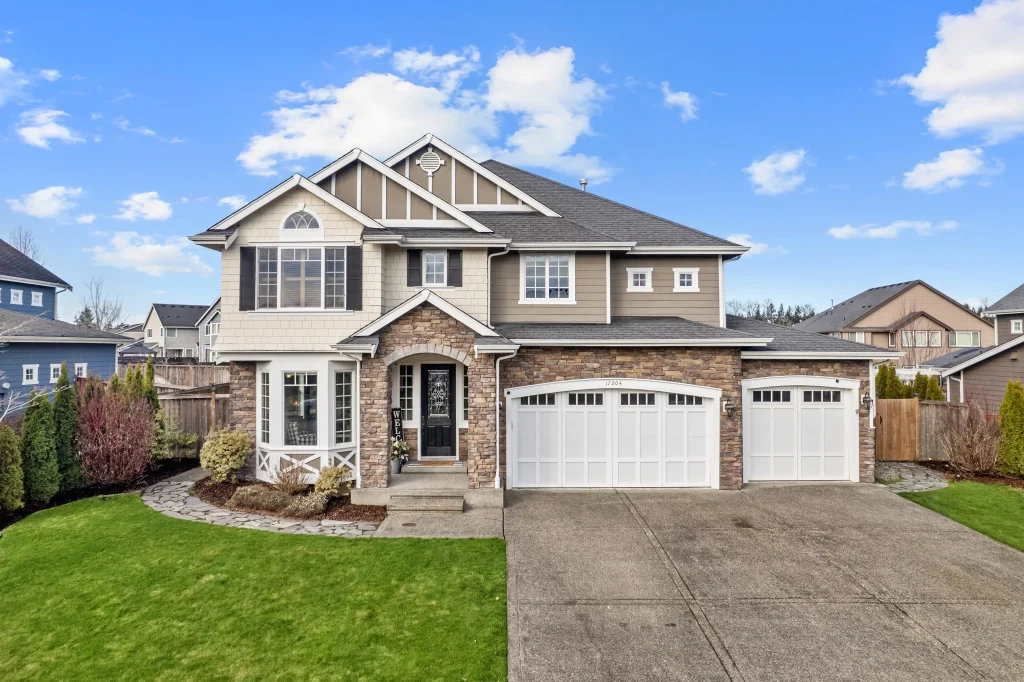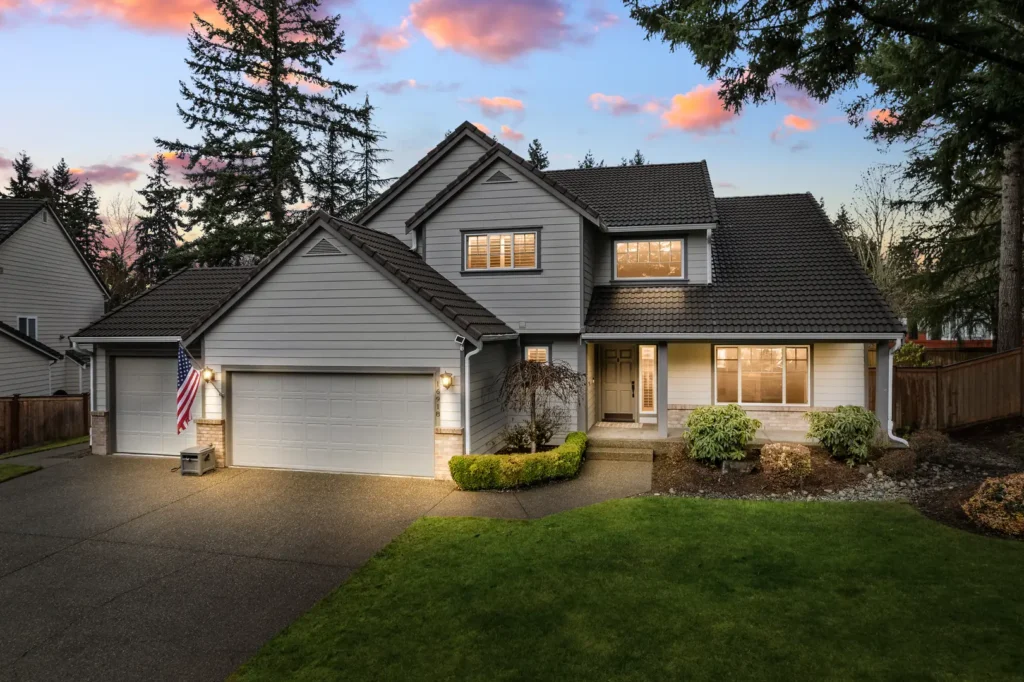



Choosing between virtual staging and real staging can shape how buyers respond to a listing. Both options help present a home in a better light, but they work in different ways. A real estate photography service often plays a key role in both, since strong visuals are needed to make staging effective from the start.
For agents in the South Sound, understanding how each option works can help match the right approach to each property.
What Is Virtual Staging?
Virtual staging uses digital editing to add furniture and decor to photos of empty rooms. The final images look furnished, even though the home is still vacant in real life.
How Virtual Staging Works
- Photos are taken of empty spaces
- Furniture and decor are added using software
- Final images are delivered for online listings
A real estate photography service is important here because the quality of the original images affects how natural the final result looks.
Benefits of Virtual Staging
- Faster turnaround compared to physical staging
- Lower upfront cost since no furniture is moved
- Easy to adjust styles for different buyers
Limitations of Virtual Staging
- Buyers only see the staged version online
- In-person visits show empty rooms
- Some buyers may expect the home to look the same in person
What Is Real Staging?
Real staging involves placing actual furniture and decor inside the home. This creates a fully furnished environment that buyers can walk through during showings.
How Real Staging Works
- Furniture is delivered and arranged on-site
- Rooms are styled to highlight function and flow
- The setup remains during listing and showings
A real estate photography service captures the staged space, making it consistent across online and in-person experiences.
Benefits of Real Staging
- Buyers experience the space in person
- Rooms feel more complete during showings
- Helps define how each area can be used
Limitations of Real Staging
- Requires more time to set up
- Higher cost due to furniture rental and labor
- Limited flexibility once the setup is complete
Virtual Staging vs Real Staging: Key Differences
The choice often depends on the type of listing, timeline, and budget. Both methods support marketing, but they offer different advantages.
Quick Comparison for Agents
Both methods have unique benefits. Real staging involves renting physical furniture and moving it into the house. Virtual staging uses digital tools to add furniture to a photo after it is taken.
The following table explains the main differences between these two options.
| Feature | Virtual Staging | Real Staging |
| Turnaround Time | Fast (often 24 to 48 hours) | Slow (takes days to coordinate) |
| Design Flexibility | High (any style or color) | Limited (based on available stock) |
| On-site Experience | Empty rooms during tours | Furnished rooms during tours |
| Preparation | Requires empty rooms | Requires professional movers |
When Virtual Staging Makes Sense
Virtual staging works well for vacant homes that need a quick and clean presentation online. It helps listings look complete without adding physical furniture.
Ideal Situations
- Tight listing timelines
- Lower marketing budgets
- Homes that photograph well but lack furnishings
In these cases, a real estate photography service ensures the base images are clear and well-lit, which improves the final staged result.
When Real Staging Is the Better Fit
Real staging is often chosen when in-person showings play a big role in the sales process. It helps buyers connect with the space during visits.
Ideal Situations
- Higher-end listings
- Homes with unique layouts that need guidance
- Properties where in-person experience is a priority
The combination of physical staging and a real estate photography service creates consistency between online listings and real-world visits.
How Photography Supports Both Staging Methods
No matter which staging option is used, photography plays a central role in how the home is presented. Clear and accurate images help buyers understand the space and notice key features.
Why Visual Quality Still Matters
- Well-lit images make rooms feel more open
- Consistent angles help show flow between spaces
- Accurate color keeps the home looking true to life
For virtual staging, strong base images help digital furniture look natural. For real staging, photography ensures the furnished space is captured clearly for online listings.
A professional real estate photography service supports both approaches by providing clean, reliable visuals that reflect the home as it is.
Present Your Listing with Clear Visuals
A strong presentation helps buyers understand a home faster. Clear images, accurate layouts, and thoughtful staging all work together to support that goal.
Comerford Real Media offers a professional real estate photography service designed to support both virtual and real staging strategies. Our team provides accurate, MLS-ready media that reflects the home clearly across all platforms.
If your next listing needs a stronger visual approach, schedule your photography service or request a full media package through Comerford Real Media today.